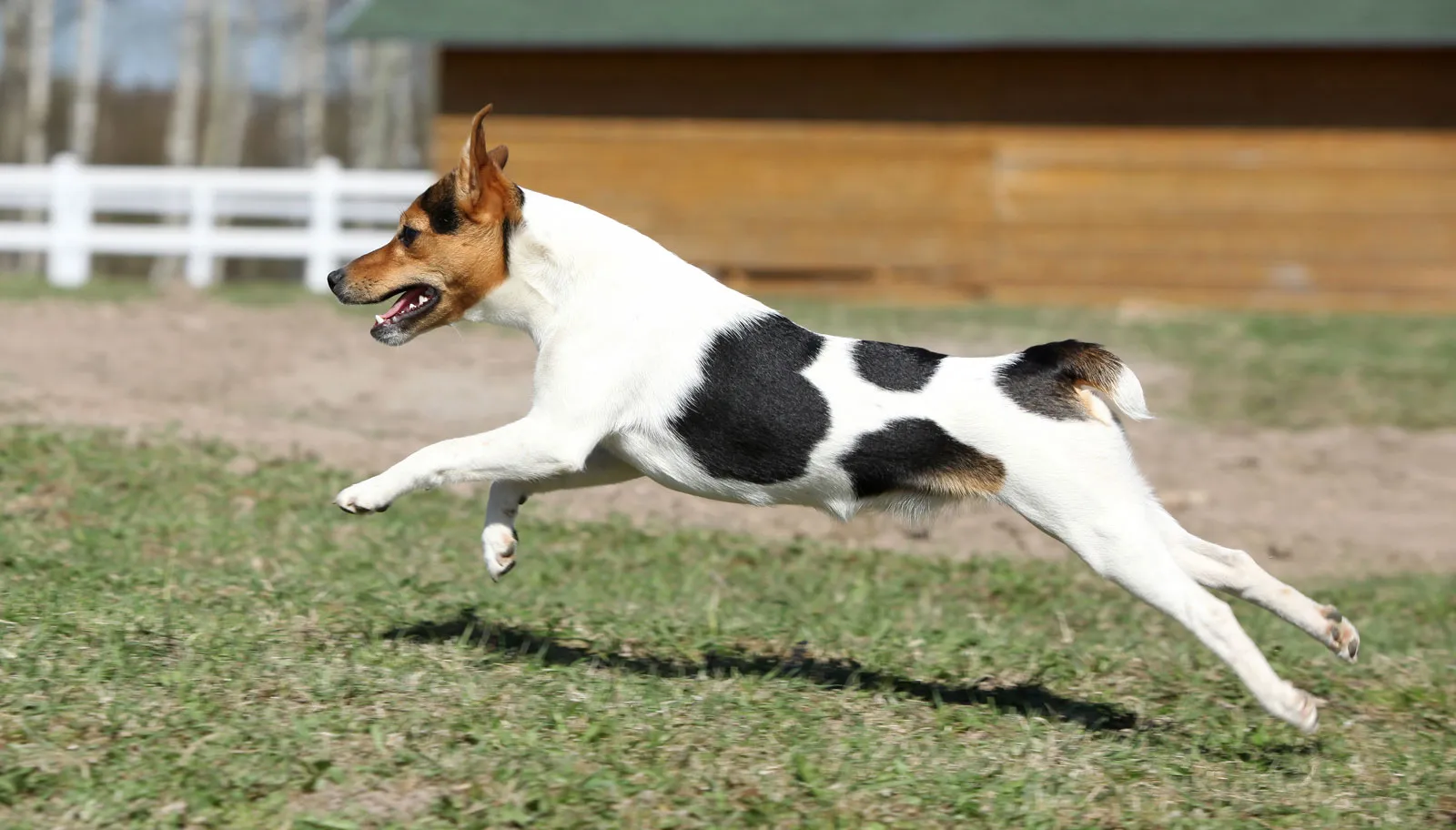
Jack Russell Terrier
The original working terrier, bred for performance rather than appearance. Typically shorter legged with more variation in body shape and size. Energetic, driven, and ideal for farm work, sports, and active homes.
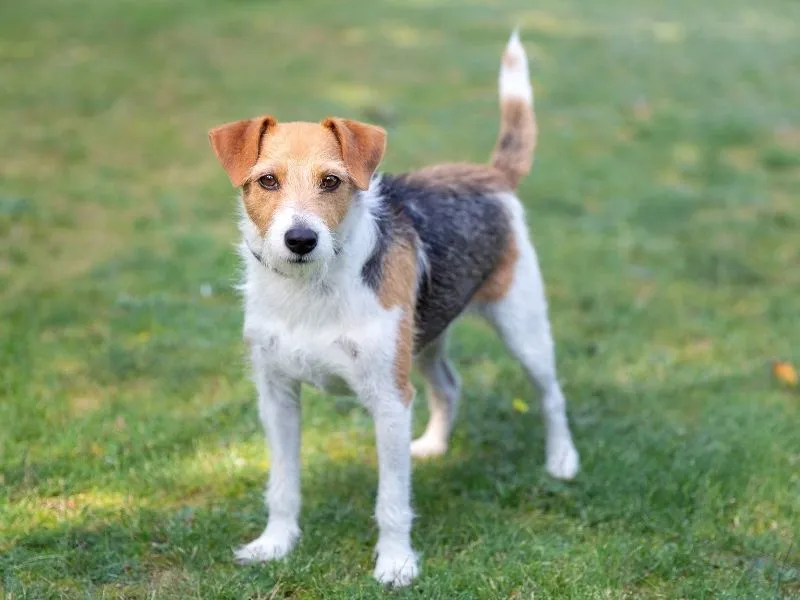
Jack Russell vs Parson Russell vs Russell Terrier explained simply, with key differences and traits.
Jack Russells share common ancestry but exist in a few closely related types. While temperament is similar across all, differences in size, structure, and purpose can influence which type best suits your lifestyle.
All three are bold, intelligent, and high energy. Training and daily stimulation matter most.
The original working terrier, bred for performance rather than appearance. Typically shorter legged with more variation in body shape and size. Energetic, driven, and ideal for farm work, sports, and active homes.
The taller, more square built version developed for the show ring. With longer legs and a more standardised appearance, Parsons remain energetic and intelligent, often with slightly more structured movement and outline.
The shortest and most compact of the three. It has a longer body with shorter legs and a rectangular outline. Still lively and confident, it can suit owners who want the classic Jack Russell personality in a smaller frame.
All Jack Russell types are intelligent, confident, curious, and high energy. Differences lie more in physical build than behaviour. Proper training, socialisation, and daily stimulation are essential regardless of type.
Rather than focusing only on labels, choose a dog based on health, temperament, and lifestyle compatibility. Responsible breeding, early socialisation, and matching energy levels matter far more than exact classification.